Fast and slow fashion and the problems they face.
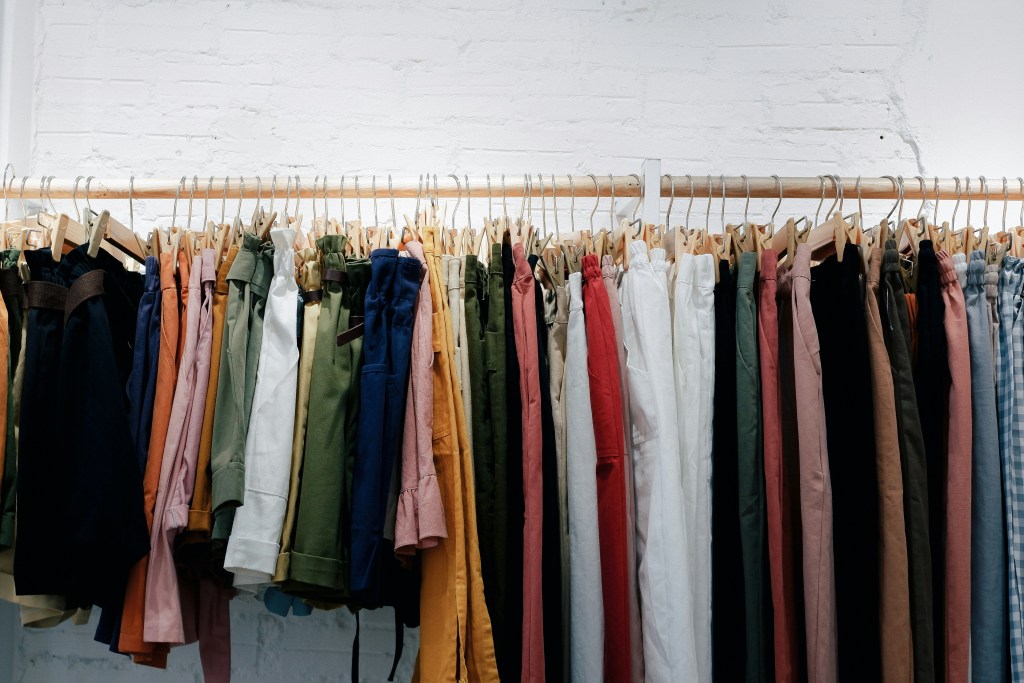
What is the problem with fast Fashion?
Fast fashion has many problems that the slow fashion movement tries to fix. We will go over what the issues with fast fashion are, what slow fashion is, and how it can help. Fast fashion has a host of issues. Waste, wage slavery, and pollution are a few of them. The fashion industry produces 92 million tons of waste per year. Waste is an issue because we often ship it out to developing countries, where they incinerate it, causing more pollution. It contributes to 8% of global carbon emissions each year. Compared to the flight and the maritime industry, which produce 5%. Being able to cut that in half or all of it would be huge to help lower carbon emissions. 93% of fashion brands will not provide evidence that their suppliers have a living wage. Wage slavery is common in the fashion industry. Where you are stuck, and you don’t get enough money to get by. One pair of jeans uses 8000 liters of water, which is 7.4 years of drinking water for one person. We will lose our aquifers in the next 20-50 years, which will create a water shortage for everyone. Water is a precious resource. We keep our clothes for half as long as we did in 2000. We buy clothes that aren’t of good quality, and we buy more either to stay in fashion or because our clothes wear out faster.

Solutions to fast fashion.
While seeing the issue with fast fashion is easy, solving it is difficult. We will go into multiple solutions and see the strengths and weaknesses of each. One solution is second-hand shops. The concept is nice, you just take your clothes to a shop that you don’t need anymore, so someone else can buy them. If you shop there, you know it’s already been made, so it doesn’t cause any more issues. The issue is that you don’t know what quality you are getting when you buy, so it may not last long, and second-hand shops throw away about 80% of all things given to them, which adds to the waste. It is one of the good solutions, but sometimes you need something specific that the second-hand shop doesn’t sell.
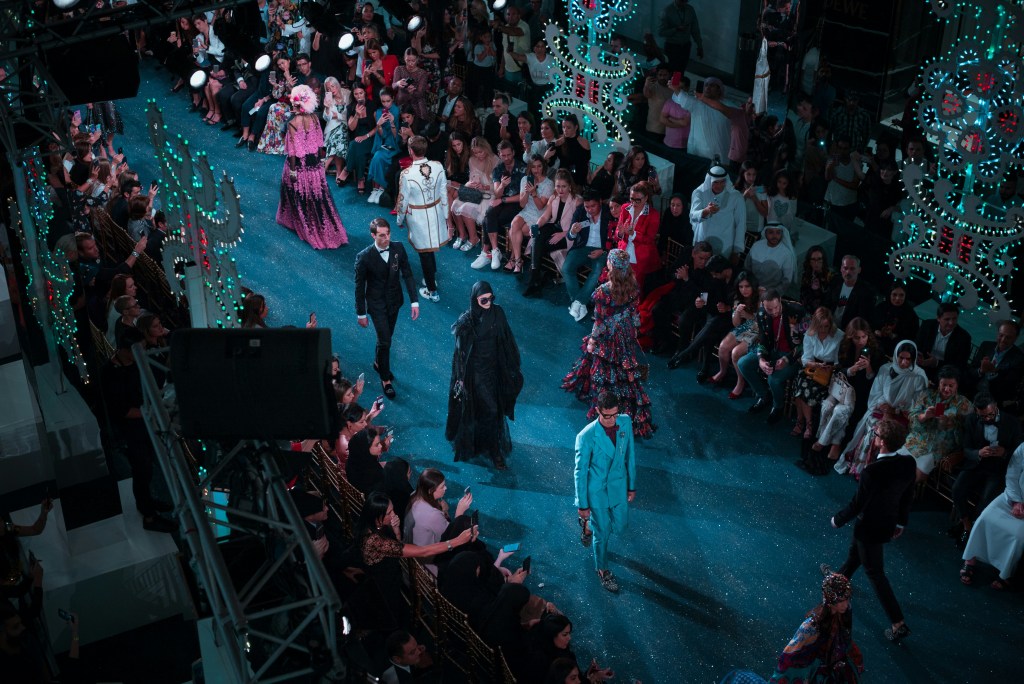
What is the slow fashion movement?
The slow fashion movement is a movement that, when you join, you restrict your clothing choices by making sure it’s made from a quality material, that no one made it through slavery, and to slow down your purchases. This is a movement about educating people and creating the right choices. There are organizations out there that are creating a space for this, like The Slow Journal. It talks about sustainability and “slow topics” and a way to slow down consumerism. There’s The Slow Factory as well, which gets creatives to 100% recycle and upcycle, and keep their culture in a sustainable way. They teach and support creatives. The Slow Fashion Movement is trying to get people to personally commit to it. They educate as well, but mostly on the slow fashion movement, not necessarily on how to create sustainable clothes.
The issue is that a lot of people believe it’s the government’s job to regulate the fashion industry, not for them to personally regulate themselves, so it can be hard for people to join. Pushing regulation has not been a large part of the slow fashion movement, so it may need to change some of its focus. People also get what is known as “green fatigue”, which is when there is so much information out there and so many choices, they just choose the easiest choice, which is to not be sustainable at all. The slow fashion movement has to combat that through precise education and easy access.

Conclusion
Slow fashion is part of the environmental movement to get people to consume less and consume more responsibly. There is no easy solution to the problem of fast fashion, and slow fashion might be looking at the wrong things as solutions, such as putting it on the consumer, instead of the government, to fix things for fast fashion. I believe it’s a good idea to support the slow fashion movement, even with its faults.
Sources
Cavalcante, R., Silva, M. E., & Marcia. (2023). Sustainable Consumption and Practice Theories: Connecting Elements of Clothing Sharing. Brazilian Business Review, 21(1). https://doi.org/10.15728/bbr.2021.1182.en
Cavazos-Arroyo, J., & Puente-Díaz, R. (2026). The Intricacy of Consuming Fast-Fashion Clothing: The Role of Guilt and Sustainability Values. Behavioral Sciences, 16(1), 138. https://doi.org/10.3390/bs16010138
Clark, H. (2008). SLOW + FASHION—an Oxymoron—or a Promise for the Future …? Fashion Theory, 12(4), 427–446. https://doi.org/10.2752/175174108×346922
Hammond, C. (2018). Stitching Time: Artisanal Collaboration and Slow Fashion in Post-disaster Haiti. Fashion Theory, 24(1), 1–25. https://doi.org/10.1080/1362704x.2018.1441001
Laing, M. (2024). Sustainability and the Fashion Media: Micro-Utopia, Social Dreaming and Hope in the Margins. Fashion Theory, 1–24. https://doi.org/10.1080/1362704x.2024.2339937
Thomás Czrnhak, Schreiber, D., & Mazzotti, K. G. (2025). A Comprehensive Analysis of Circular Fashion in Small Clothing Firms. Revista de Administração Contemporânea, 29(3). https://doi.org/10.1590/1982-7849rac2025240239.en
Potts, L. (2024, June 10). Ready to give up fast fashion? Give “slow fashion” a try. Environment. https://www.nationalgeographic.com/environment/article/fast-fashion-slow-differences-sustainability
Slow Fashion Movement. (n.d.). Slowfashion.global. https://slowfashion.global/
Bravo, L. (2020). How to Break Up with Fast Fashion. Headline Home. Franklin-Wallis, O. (2023). Wasteland. Hachette Books
images
Image 1: Fujiphilm
Image 2: MohamadReza Khashay
Image 3: Michael Lee
image 4: Rey Seven

